
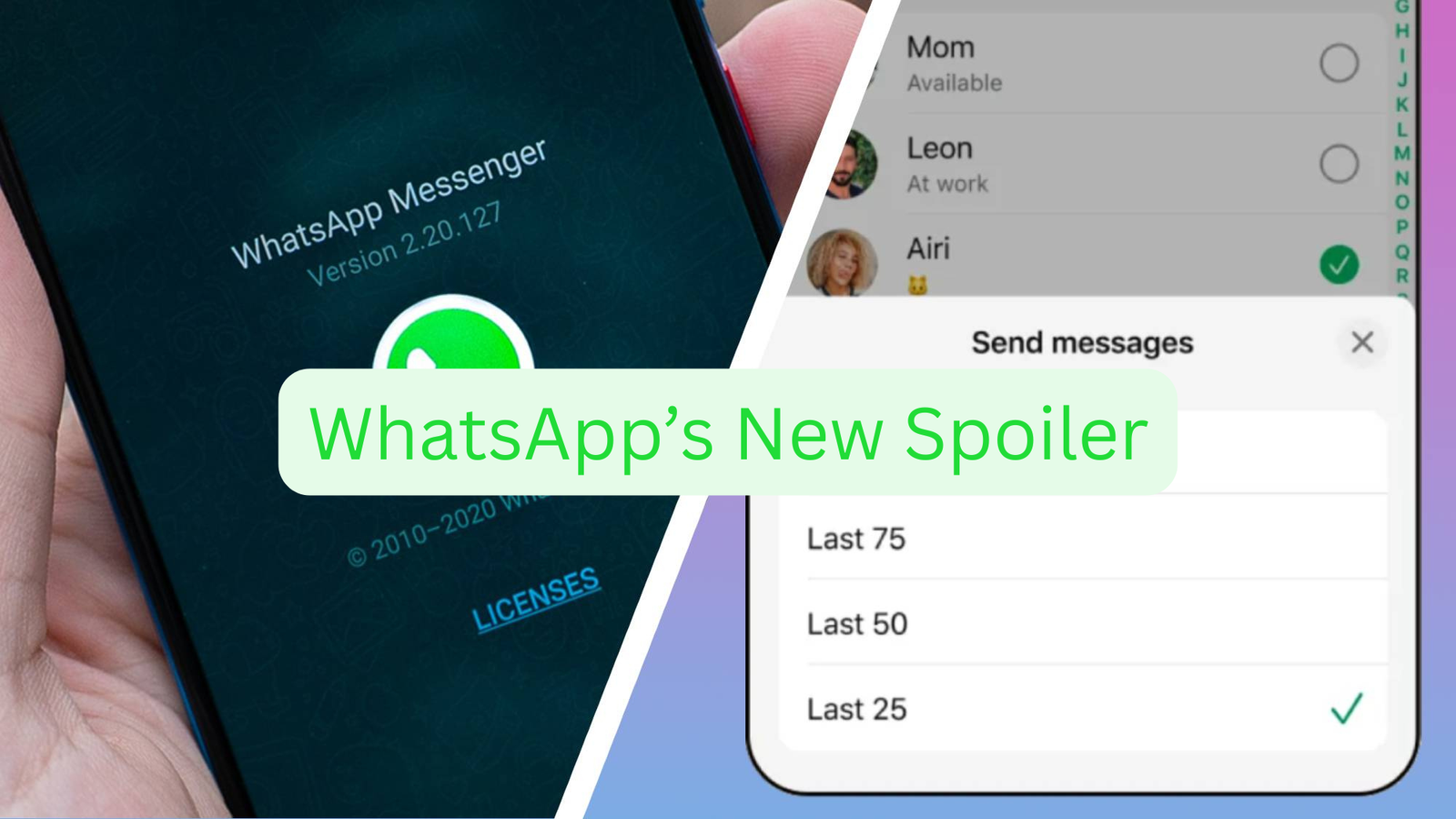
WhatsApp’s New Spoiler Feature – Let me confess something: I once had the ending of a long-awaited series ruined in a family group chat. No warning. No mercy. Just a blunt, all-caps revelation sitting there like a villain twirling its mustache. I stared at my phone, stunned, betrayed by someone who still types with two fingers.
That’s why the arrival of WhatsApp’s spoiler-hiding feature feels less like a minor update and more like a peace treaty for humanity. If you’ve ever muted a group, avoided Instagram, or temporarily ghosted friends just to dodge spoilers, this one’s for you. Let’s unpack what this feature does, why it matters, and how it subtly changes the way we share moments online.
What Is WhatsApp’s Spoiler-Hiding Feature, Really?
At its core, WhatsApp’s spoiler-hiding feature lets users conceal parts of a message so the recipient has to tap to reveal it. Think of it as wrapping sensitive text in digital gift paper. The information is there; but only if you choose to peek.
This isn’t just about movies or TV shows. It’s about surprise parties, exam results, product launches, football match outcomes, plot twists in novels, and even sensitive news updates. In other words, it’s about consent the consent to know. And honestly? That’s kind of beautiful.
Why Spoilers Hurt More Than We Admit
You’d think spoilers are trivial. “It’s just a show,” people say. But here’s the thing, stories are emotional investments. We give our time, attention, and anticipation to them. When someone blurts out an ending, it feels like they skipped to the last chapter and ripped it out of your hands.
I remember when a friend casually dropped the winner of a major football final in our alumni group chat. I hadn’t watched the replay yet. My mood shifted instantly. Not dramatic, just deflated. The thrill was gone before I even pressed play. That’s the subtle power of anticipation. And WhatsApp’s spoiler-hiding feature respects it.
How It Actually Works
Without getting too technical, here’s the gist:
- You type your message.
- You format the specific text you want hidden.
- The recipient sees blurred or concealed text.
- They tap it to reveal.
Simple. No complicated settings. No digging through menus. It slides right into the way we already use WhatsApp.And that’s the genius of it. It doesn’t demand you change your habits, it just upgrades them.
It’s Not Just About Movies
Let’s zoom out for a second. Sure, spoilers often mean Netflix dramas or blockbuster films. But this feature extends way beyond entertainment.
Surprise Announcements
Planning a proposal? Organizing a surprise birthday? Coordinating a secret farewell gift? You can now communicate sensitive details within a shared chat without ruining the surprise for someone scrolling over your shoulder.
Sports Results
Different time zones. Delayed broadcasts. Busy schedules. Sports fans everywhere know the pain of seeing a final score notification before watching the match. With this tool, you can warn your friends without ambushing them.
Sensitive News
Sometimes information isn’t exactly a spoiler; it’s just heavy. A concealed message gives the recipient a moment of control. They choose when to open it. That small pause makes a big difference.
The Psychology of “Tap to Reveal”
Here’s something fascinating: when you hide text, you increase curiosity. It’s like placing a covered dish on a table. Everyone wants to know what’s underneath. But they also appreciate having the choice to lift the lid. Psychologists call this the “curiosity gap.” We’re wired to fill in missing information. By hiding spoilers, WhatsApp isn’t suppressing conversation, it’s adding a layer of anticipation. It turns passive reading into active engagement. And frankly, that’s kind of addictive.
A Small Feature, A Big Cultural Shift
Messaging apps have evolved from simple text tools into social ecosystems. We work, argue, celebrate, and organize our lives through them. Adding WhatsApp’s spoiler-hiding feature signals something important: messaging platforms are recognizing emotional nuance. Not everything needs to be shouted into the void. There’s something refreshing about a feature that says, “Hey, maybe let’s not ruin this for someone.” It’s subtle empathy baked into code.
Will People Actually Use It?
That’s the million-dollar question. Features only matter if people adopt them. We’ve all seen shiny updates fade into obscurity because they required too much effort. But this one? It’s frictionless. If you’ve ever used bold or italics formatting on WhatsApp, you’re already halfway there. The spoiler option feels like a natural extension of tools we already know. And let’s be honest, the first time you hide a dramatic reveal in a group chat and watch everyone tap in suspense? Chef’s kiss.
The Social Etiquette Factor
This feature might quietly change group chat culture. Right now, spoiler etiquette depends on social awareness. Some people get it. Others barrel through like they’re announcing breaking news on live TV. With WhatsApp’s spoiler-hiding feature, there’s no excuse. You can share freely without being inconsiderate. It encourages thoughtfulness without forcing silence. That balance matters.
The Hidden Power of Choice
There’s something empowering about choosing when to consume information. In a world where notifications constantly tug at us, where headlines scream for attention, having a “tap to reveal” option feels almost rebellious. It says: you’re in control. And that’s increasingly rare. We’re used to information chasing us. This feature flips the script, it waits for us.
Could It Go Further?
Now, let’s dream a little. What if spoiler-hiding extended to images automatically? Or voice notes? Or entire threads? Imagine marking a whole conversation as spoiler-sensitive for 24 hours. That might be wishful thinking. But technology evolves quickly. Today’s small tweak could become tomorrow’s standard. And if I’m being honest, I’d love to see messaging apps lean more into features that respect emotional timing.